


Oltre l'aula
Vita studentesca
Alloggio
Il tuo alloggio si organizza prima dell'arrivo e si conferma prima che tu prenoti i voli.
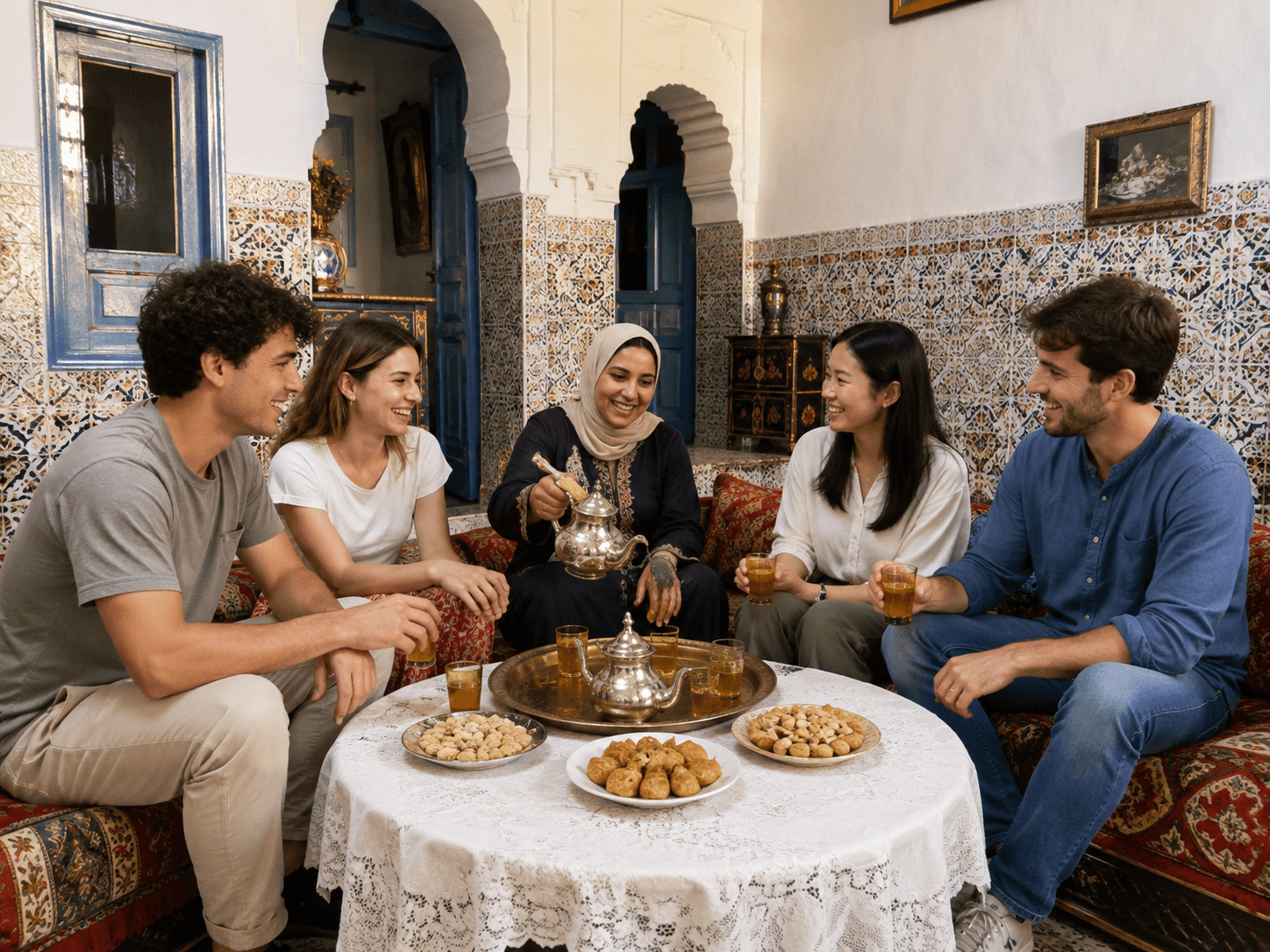
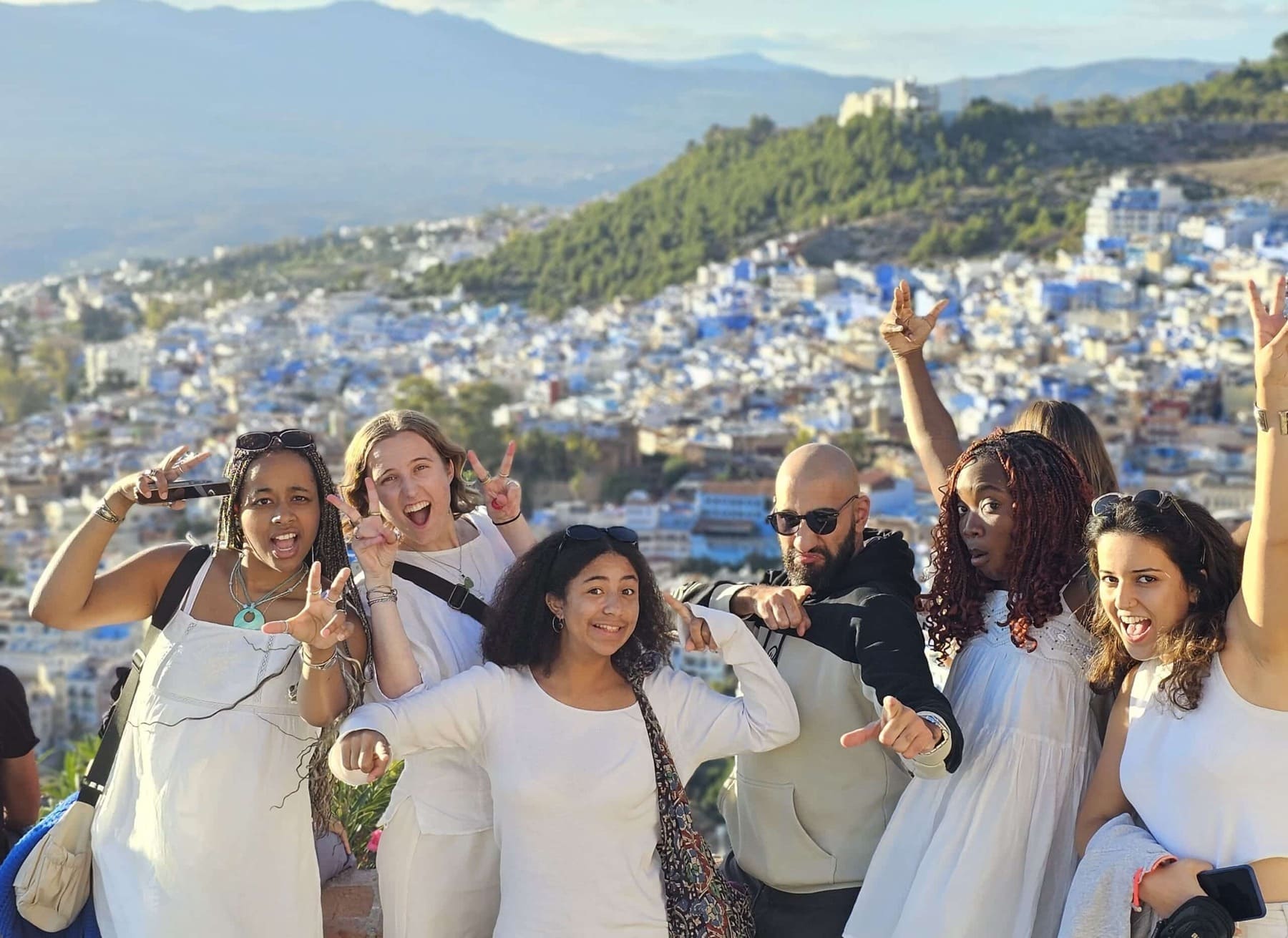
Famiglia ospitante
$155 / settimana · 1,450 MADUna camera tutta tua in una casa marocchina, con colazione e cena condivise con la famiglia. Un modo semplice di vivere la quotidianità e praticare l'arabo oltre la lezione.
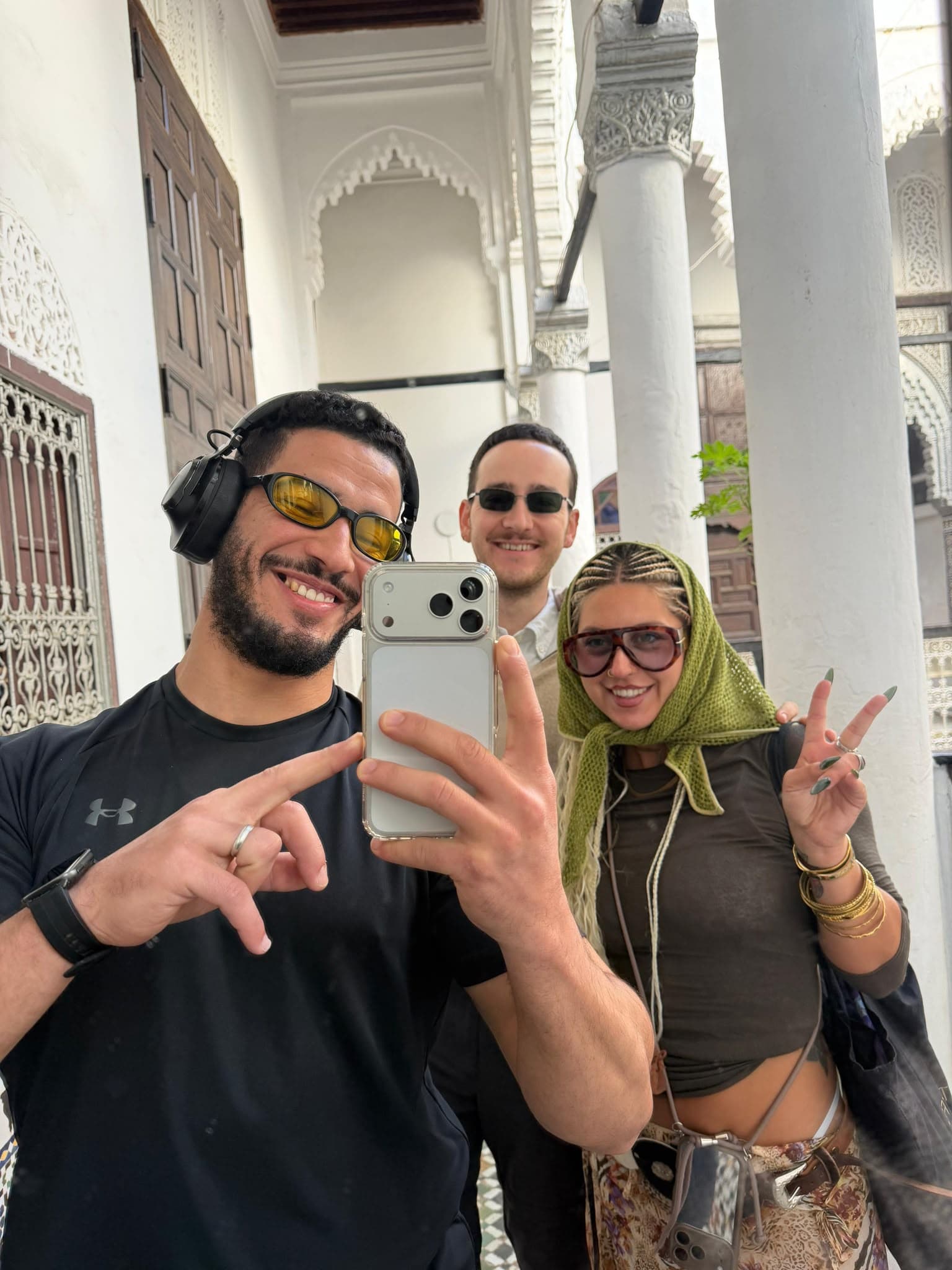
Alloggio per studenti
$175 / settimana · 1,600 MADUna camera tutta tua in un appartamento arredato o in un riad della medina, condiviso con altri studenti, con acqua, elettricità e Wi-Fi compresi.
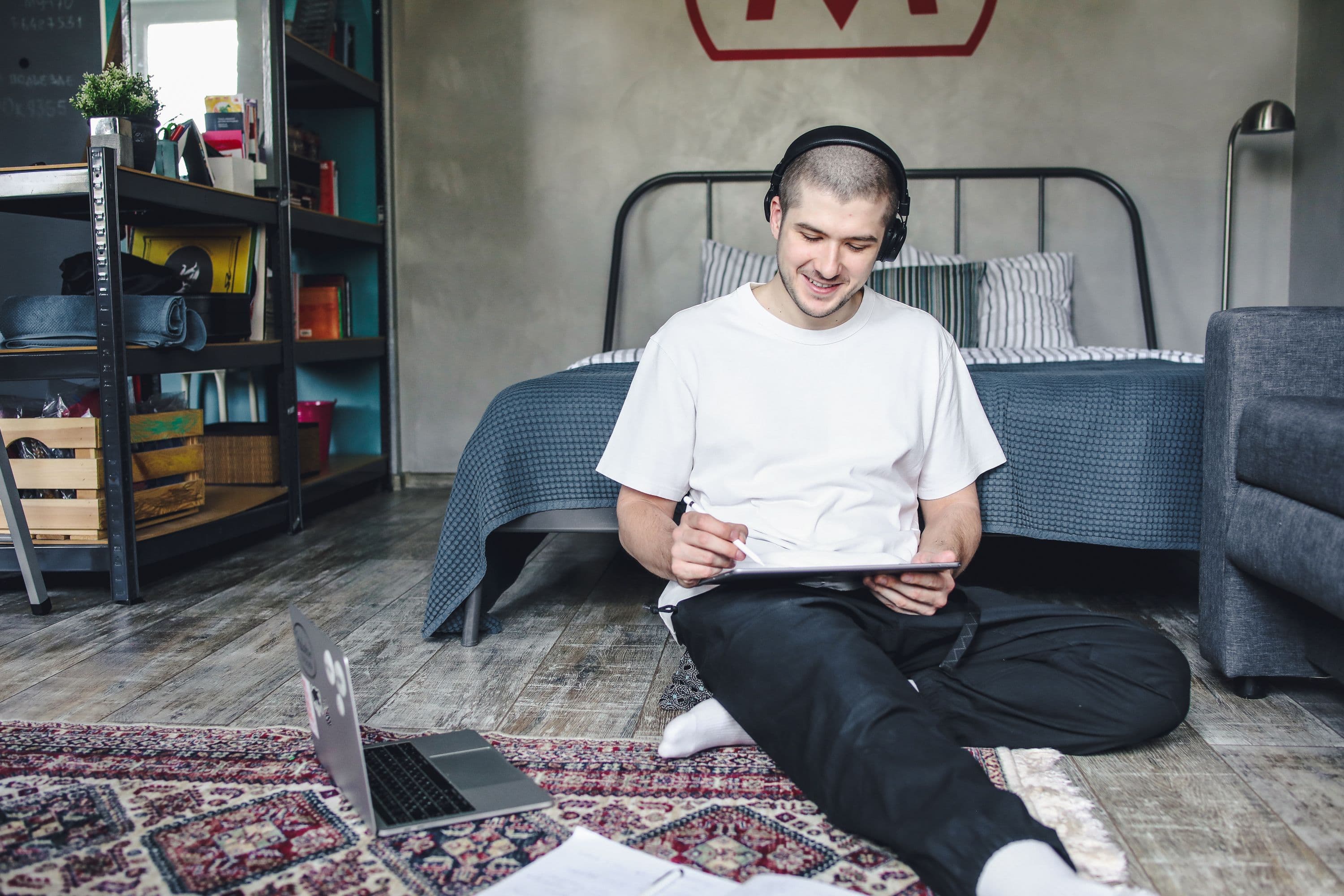
Monolocale
$315 / settimana · 2,900 MADUn monolocale privato e indipendente, ideale per chi cerca privacy completa. I monolocali a Rabat sono limitati, quindi conviene chiederlo presto.
Per le informazioni pratiche su cosa mettere in valigia, SIM, soldi e il tuo primo lunedì, vedi Prima di arrivare.
Il programma culturale
Ogni settimana pubblichiamo il lunedì un programma di attività, con almeno un'attività gratuita compresa.
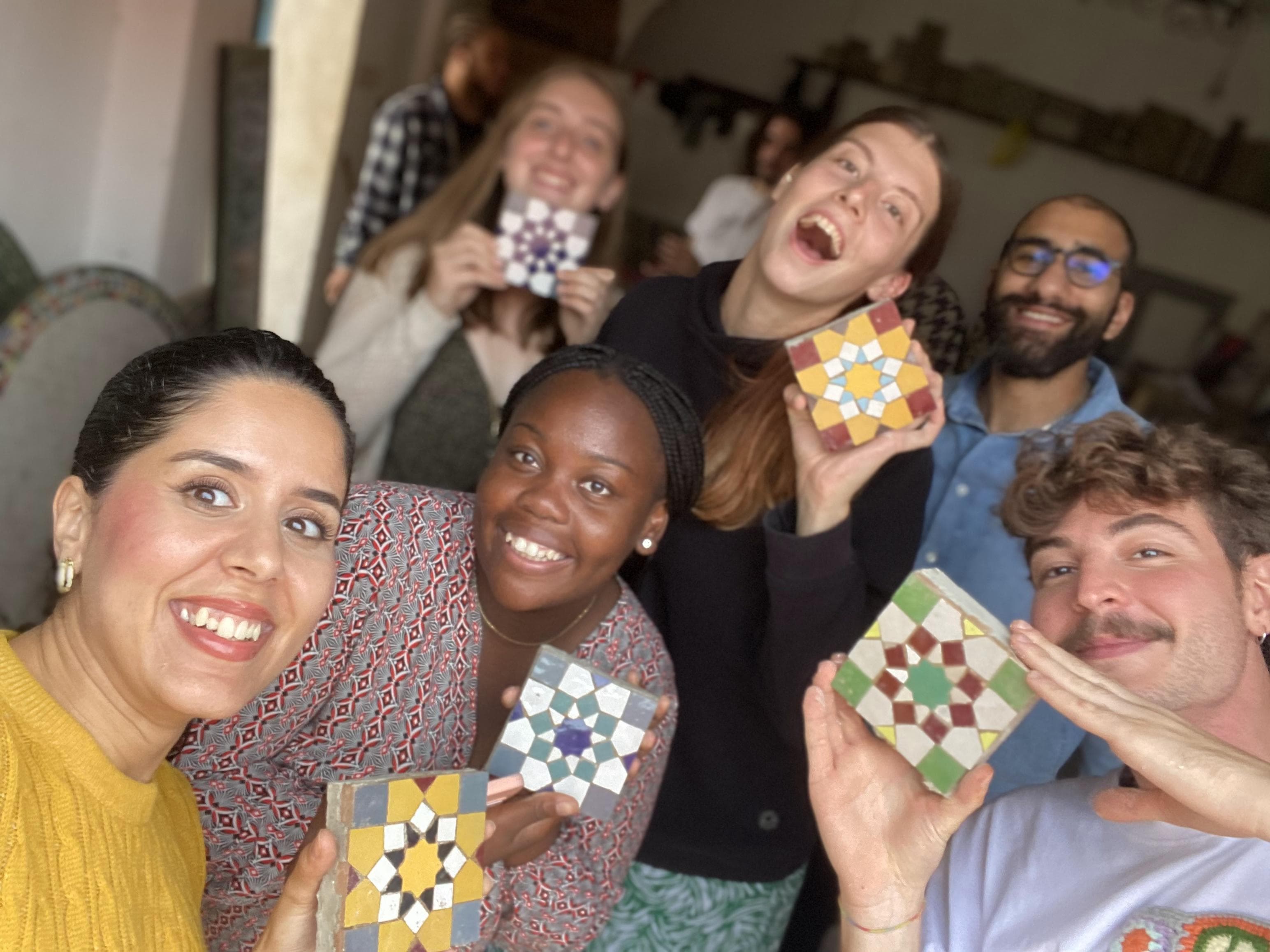
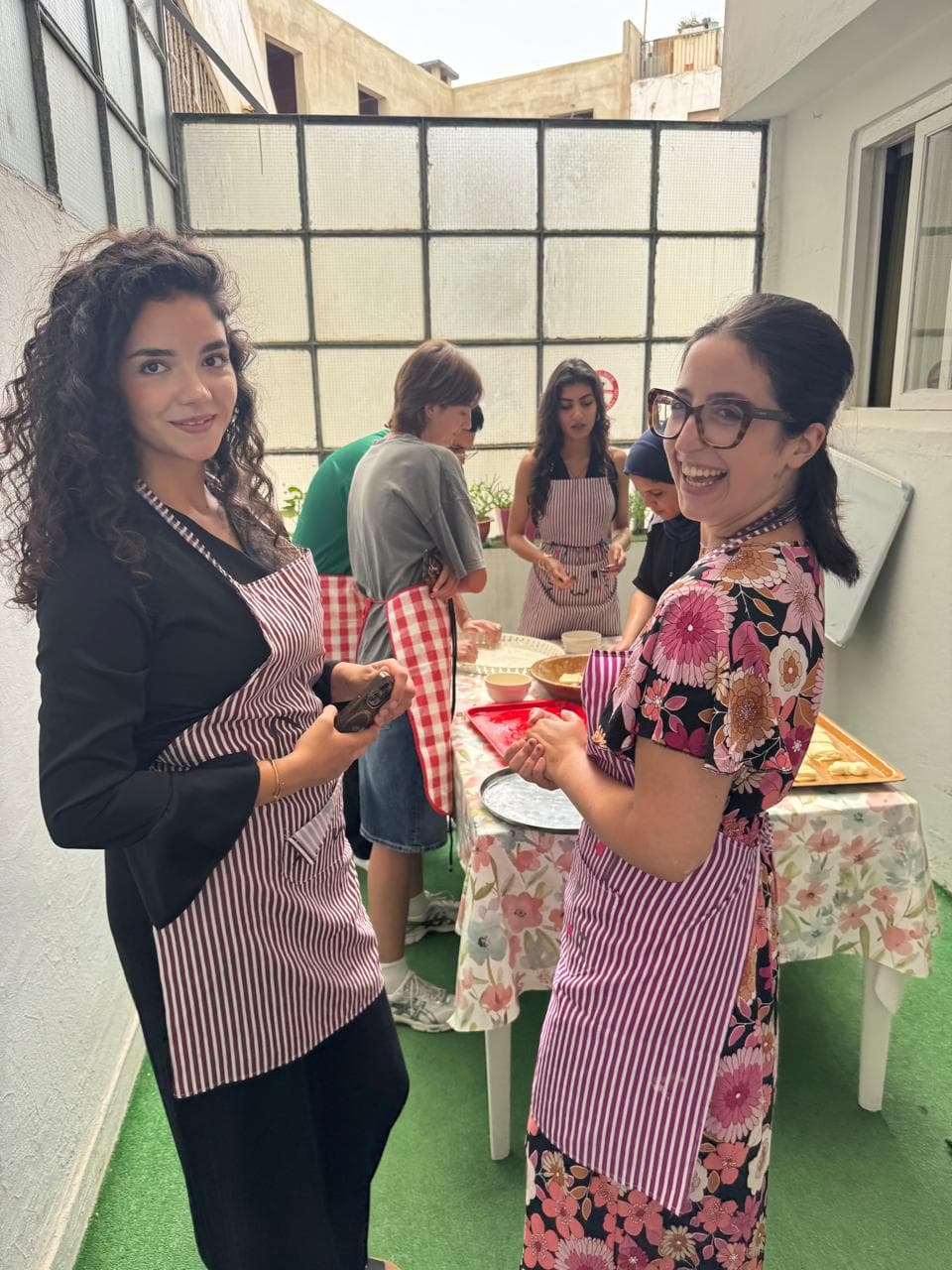
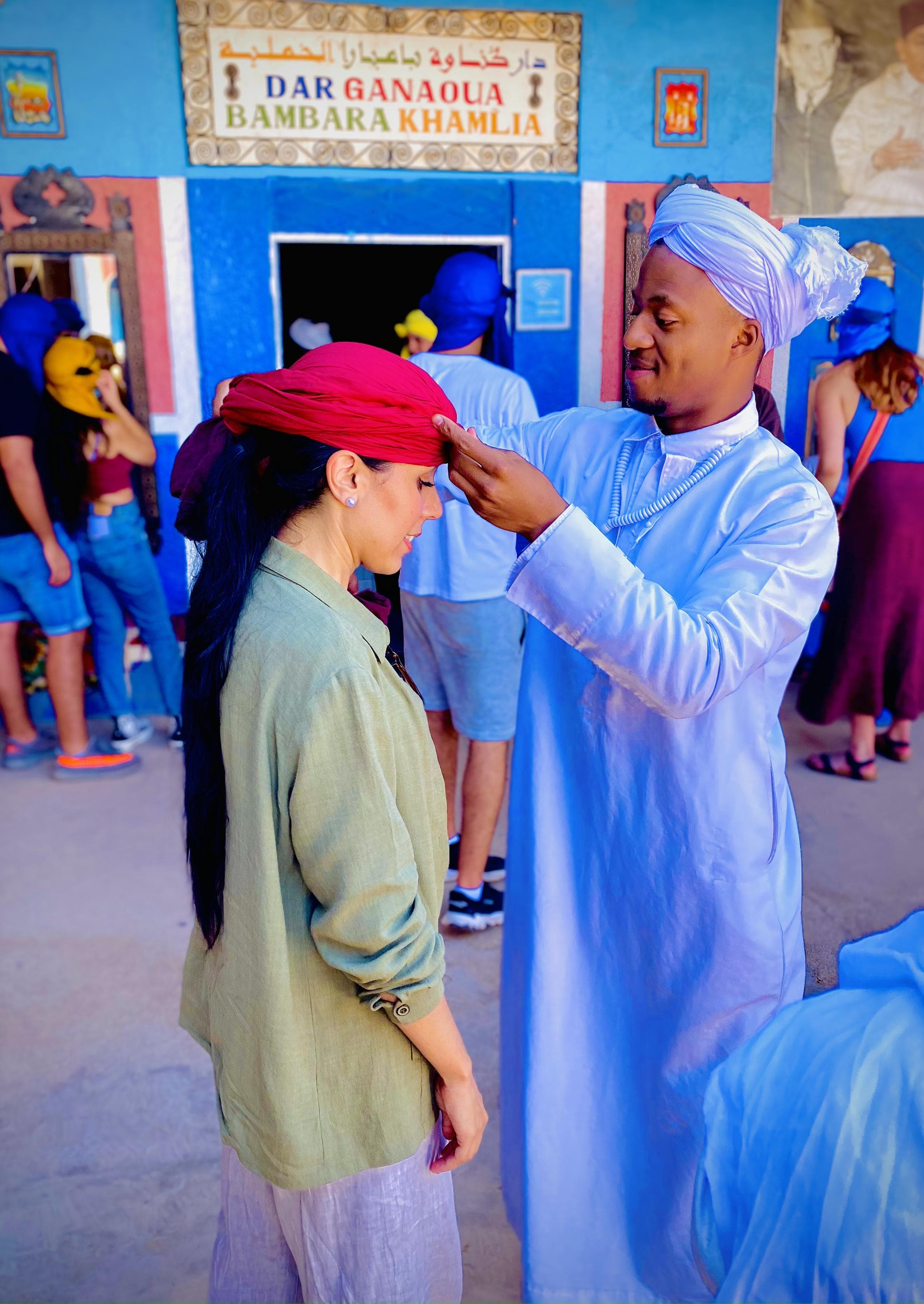
Cucina, con un pasto marocchino preparato da zero e condiviso insieme. Calligrafia, con il calamo e l'inchiostro per esplorare l'arabo come forma d'arte. Zellige, ceramica, gruppi di discussione, visite ai musei e passeggiate nella medina e nella kasbah.
I laboratori all'istituto sono compresi per tutti gli studenti. Le escursioni con trasporto o biglietti d'ingresso si pagano a parte. Per gli studenti dei semestri e dell'anno accademico, il programma settimanale di attività è compreso nel pacchetto.
Queste attività sono anche occasioni di praticare l'arabo in situazioni reali, accanto agli insegnanti e agli altri studenti.
Il tuo partner linguistico
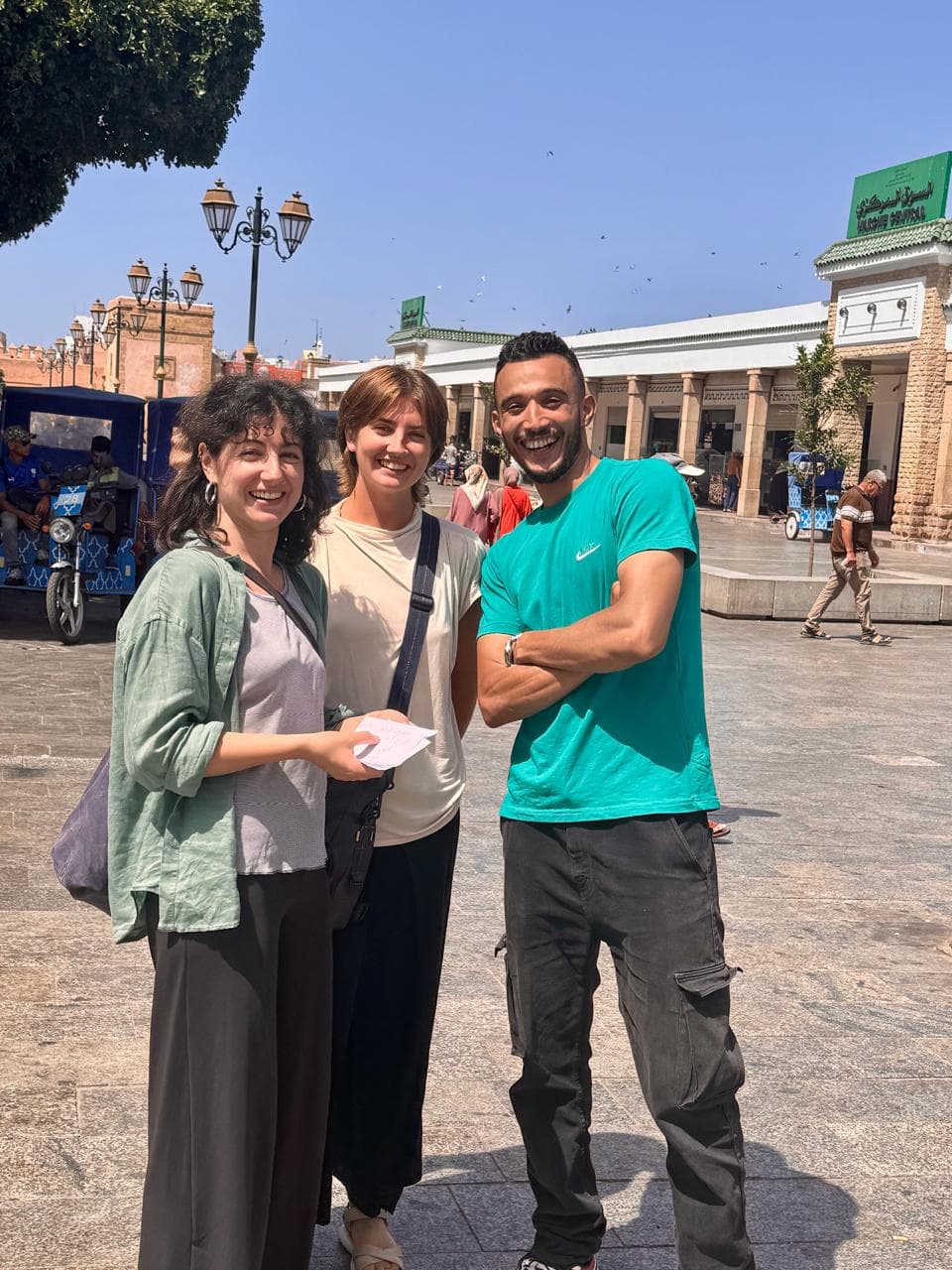
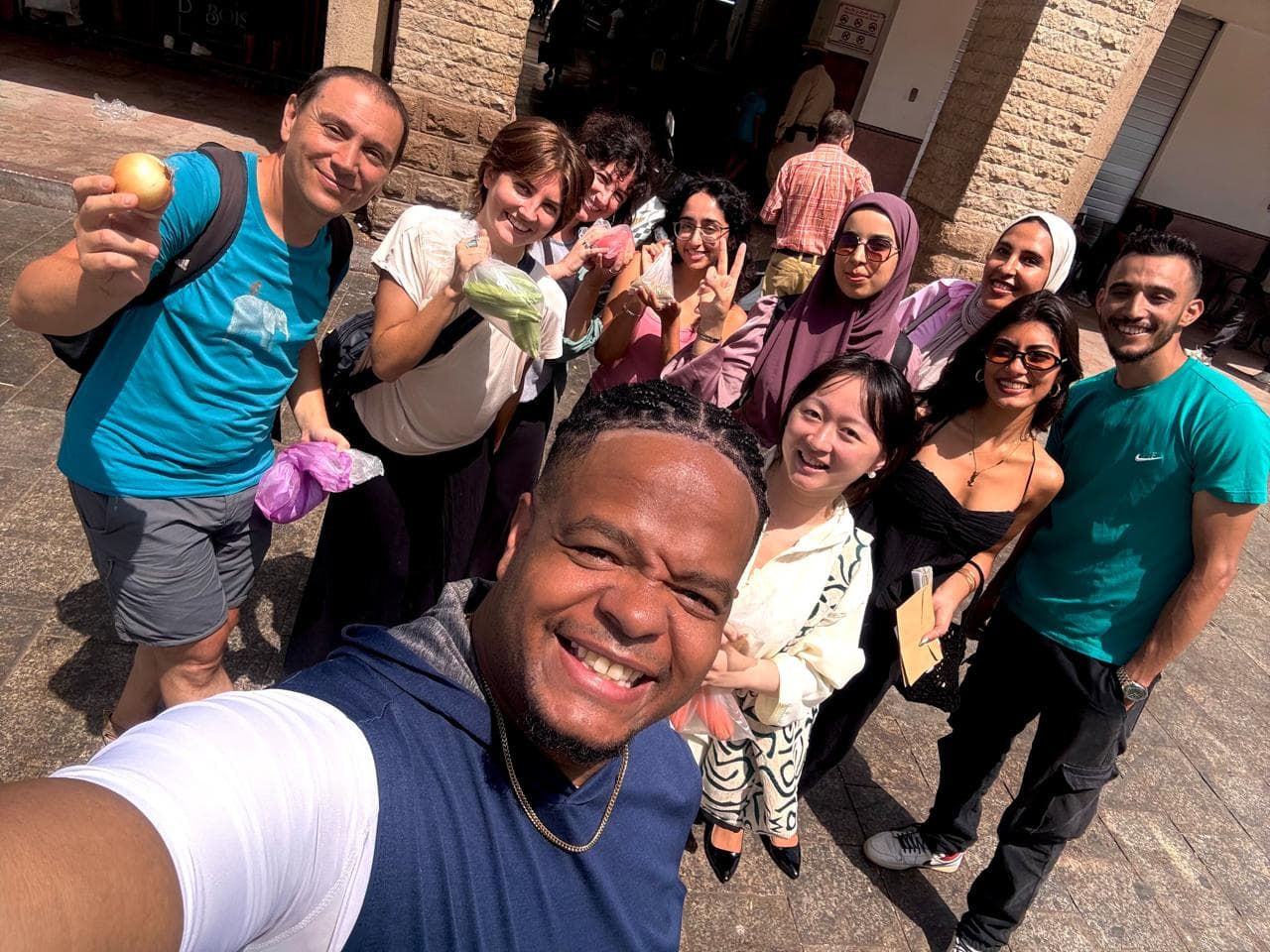
Due volte a settimana incontri uno studente universitario marocchino per una conversazione guidata in arabo.
Questi incontri offrono occasioni regolari di praticare l'arabo in conversazioni naturali, parlare di temi quotidiani e vivere la cultura marocchina oltre l'aula. Con il tempo, la lingua entra nelle tue interazioni di ogni giorno, e da questi incontri possono nascere amicizie durature.
Gli incontri con il partner linguistico sono compresi nei nostri programmi.
Stage e volontariato
Per gli studenti che vogliono vivere il Marocco oltre gli studi.
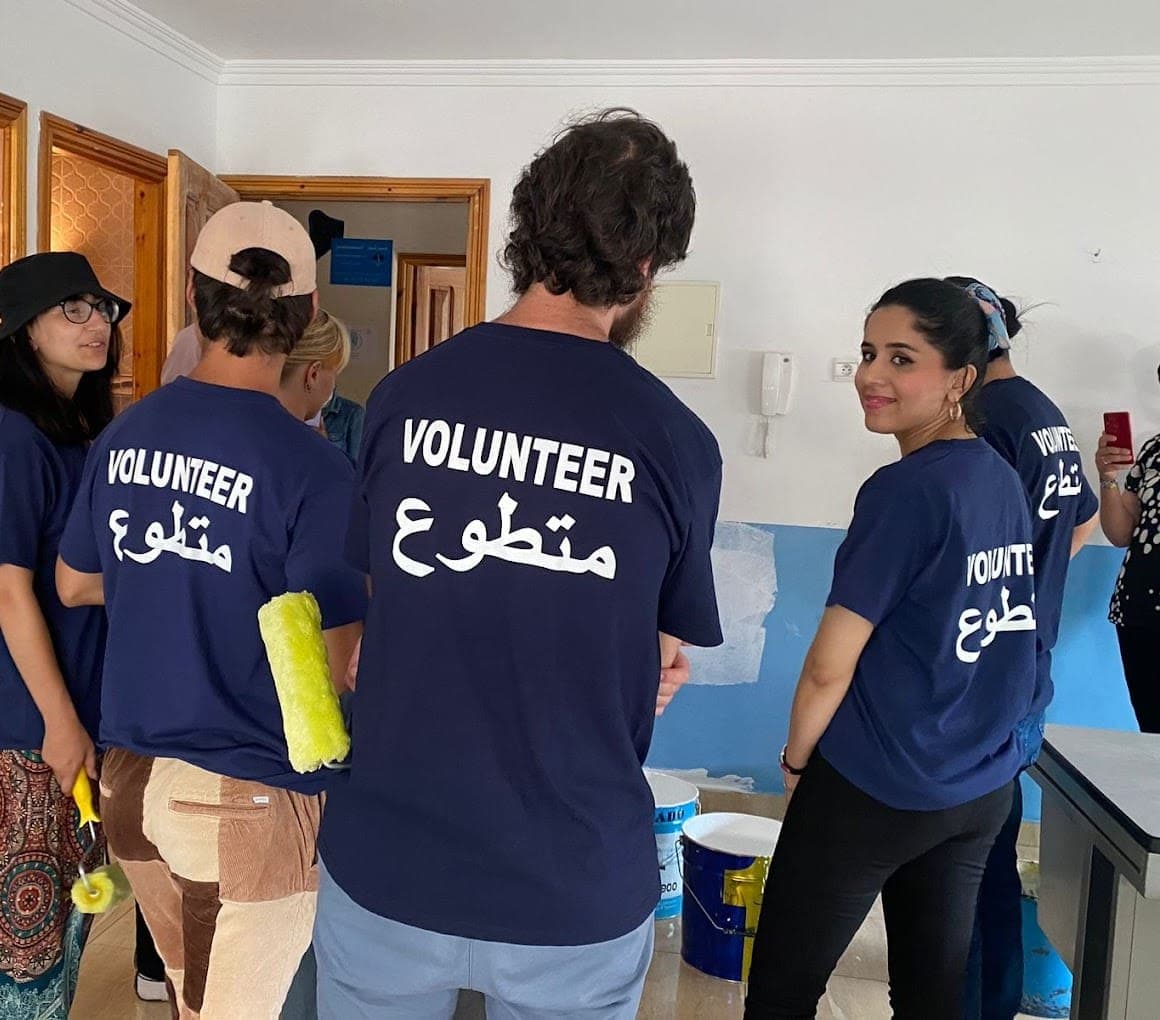
Organizziamo collocamenti presso associazioni e organizzazioni secondo gli interessi, il percorso e il livello degli studenti, in base alla disponibilità e all'approvazione dell'ente ospitante. Le opportunità possono riguardare istruzione, lavoro di comunità, progetti sociali e altri campi, secondo i bisogni dei nostri partner.
Chi completa un collocamento riceve un certificato e una referenza personale che documenta il lavoro svolto.
Per gli studenti dell'anno accademico, l'intersessione invernale di quattro settimane può essere usata per uno stage, un progetto di studio sul campo o un volontariato.
Gite ed escursioni
Ogni settimana esplori Rabat e i suoi dintorni, tra cui la kasbah degli Oudaya, Chellah, la torre Hassan, i musei e la medina, con l'occasione di scoprire questi luoghi praticando l'arabo.
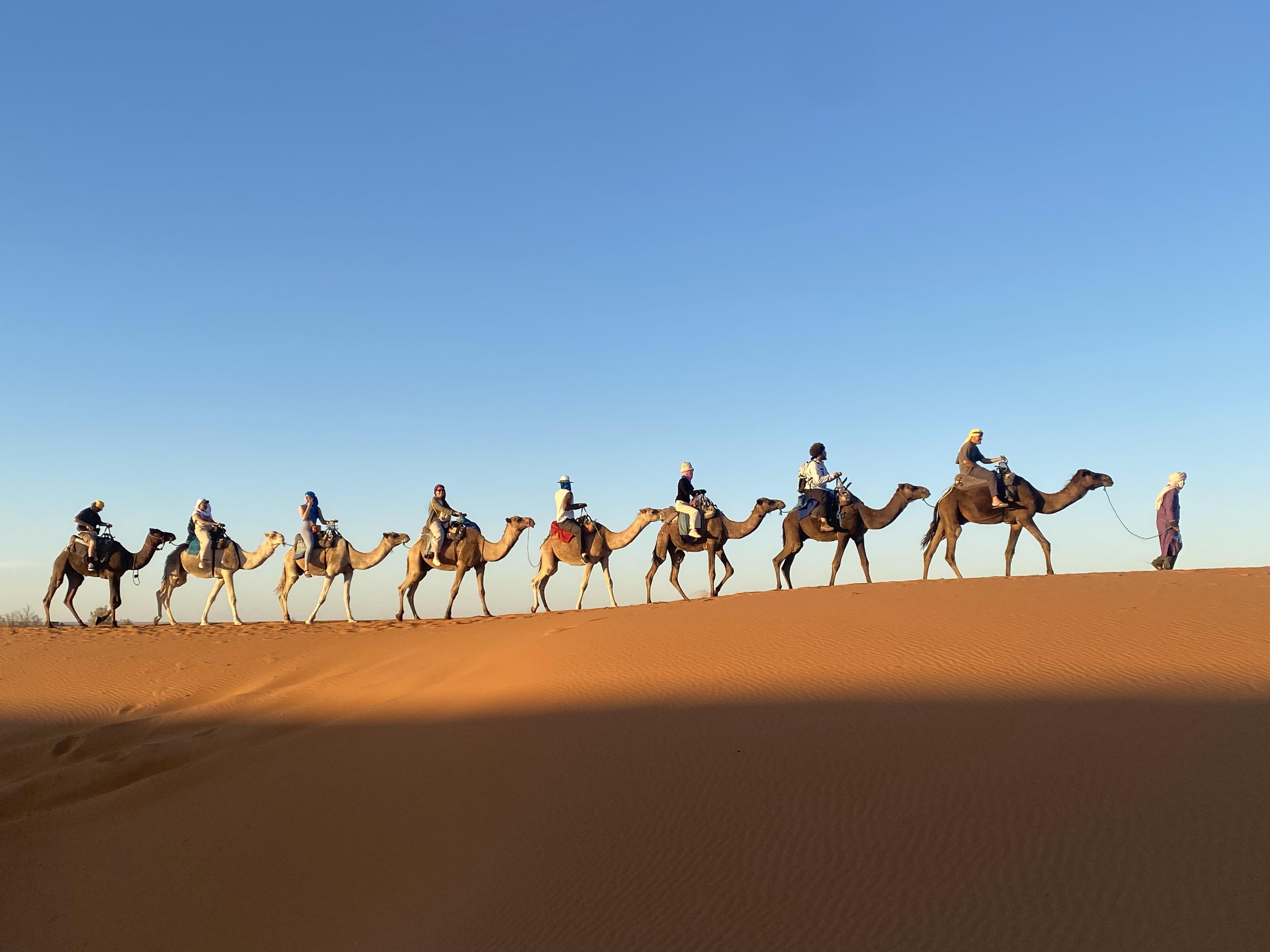
Nei fine settimana, le gite ti portano più lontano nel Marocco, da Chefchaouen e Tangeri fino a Fès, Meknès, Marrakech e il Sahara. Ogni regione porta la sua lingua e la sua cultura, e ti dà l'occasione di sentire forme diverse di darija e usare l'arabo in contesti nuovi.
Prima di arrivare
Tutto prima del tuo primo lunedì
Documenti
Passaporto. Valido per almeno sei mesi oltre il tuo soggiorno: la regola standard, da verificare oggi piuttosto che in aeroporto.
Visto. I cittadini di molti paesi, tra cui Stati Uniti, Regno Unito, Unione europea e Canada, entrano in Marocco senza visto per soggiorni fino a 90 giorni. Verifica le regole attuali per la tua nazionalità presso un consolato marocchino prima di prenotare e, se ti serve una lettera di iscrizione per la domanda di visto o per la frontiera, la emettiamo noi: basta chiedere.
Resti più di 90 giorni? Studenti dell'anno accademico, parliamo di voi. Ci sono strade consolidate per gestirlo, e accompagniamo personalmente ogni studente di lungo periodo tra le opzioni dopo l'iscrizione. È una di quelle cose che si fanno meglio con noi che leggendo online.
Arrivare qui
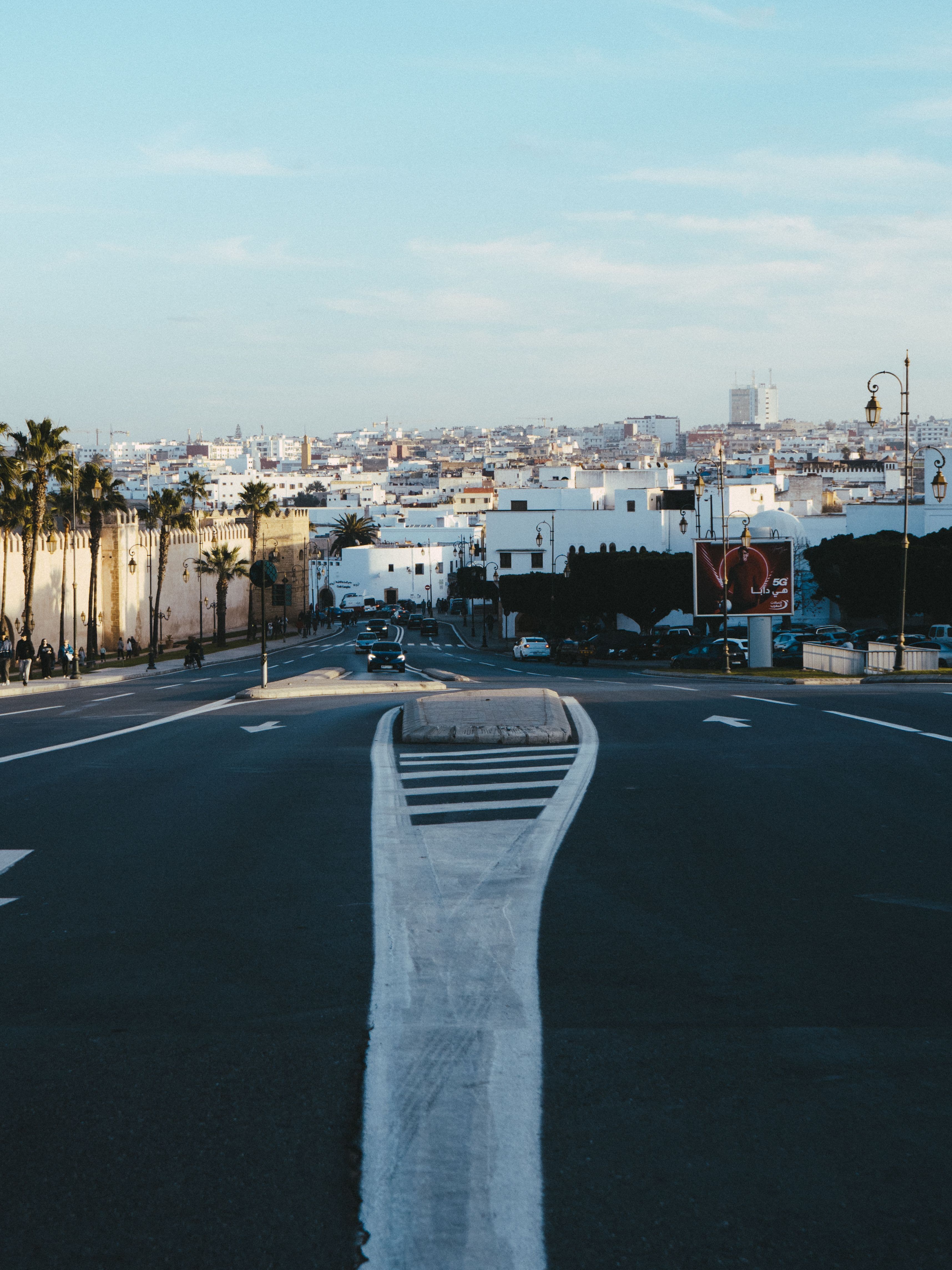
Atterra a Rabat–Salé (RBA), piccolo, tranquillo, a venti minuti dall'istituto, o a Casablanca Mohammed V (CMN), il grande hub internazionale a circa un'ora e mezza. La maggior parte delle rotte a lungo raggio atterra a Casablanca.
Prenota il nostro transfer aeroportuale e un autista ti aspetta con il tuo nome quando atterri, da entrambi gli aeroporti, con il prezzo negli Extra di ogni pagina corso. Preferisci il treno dall'aeroporto di Casablanca? Fattibilissimo, e ti mandiamo noi le istruzioni.
Arriva il fine settimana prima del tuo lunedì di inizio. Ti dà un giorno per atterrare davvero: disfare la valigia, girare il quartiere, dormire, prima del colloquio di livello e della prima lezione.
Il tuo alloggio è confermato prima che tu parta, con l'indirizzo e i contatti della famiglia o dell'edificio già in mano. Nessuno atterra qui chiedendosi dove dormirà stanotte.
Soldi
I dirham sono facili da avere una volta qui. I bancomat sono ovunque a Rabat e funzionano con le carte internazionali; preleva quello che ti serve man mano. Gli uffici di cambio in centro e nei due aeroporti cambiano contanti se preferisci.
Le carte sono accettate nei supermercati, nei ristoranti e nei negozi più grandi. La medina, i taxi e i piccoli caffè vanno a contanti: tieni con te qualche banconota piccola.
I prezzi dei pacchetti e dei programmi sono su Date e prezzi; ogni pagina corso indica le sue tariffe, con gli extra prezzati lì accanto.
Telefono
Compra una SIM locale nei primi giorni: costano poco, sono prepagate e si vendono in aeroporto e in ogni quartiere; porta il passaporto per registrarla. Le tre reti (Maroc Telecom, Orange, inwi) coprono bene Rabat, e un mese di dati abbondanti costa meno di un solo giorno di roaming dall'estero.
Quando hai un numero, daccelo: è così che ti raggiungiamo in fretta se qualcosa cambia.
Cosa mettere in valigia
Prese: il Marocco va a 220 V con prese europee a due poli (tipi C ed E). Un adattatore universale ti copre.
Vestiti: più leggeri di quanto pensi per gran parte dell'anno, più uno strato davvero caldo. Gli inverni di Rabat sono miti fuori e sorprendentemente freschi dentro, perché gli edifici qui non sono fatti per il riscaldamento. Il modo di vestire quotidiano a Rabat è rilassato e vario; abiti comodi e ragionevolmente sobri, e non ci penserai mai più.
Per il resto: i farmaci con ricetta nella loro confezione e, onestamente, poco altro. Rabat è una capitale. Le farmacie sono ottime e ovunque, e tutto quello che dimentichi si compra a una fermata di tram.
Il tuo manuale ti aspetta qui: non serve cercarlo a casa.
Il tuo primo lunedì
Vieni la mattina che ti indichiamo nell'email di arrivo. Ecco com'è fatta:
Se non hai fatto il colloquio orale di livello online, lo fai adesso: una breve conversazione, niente da preparare. Conosci la squadra, vedi l'edificio, ricevi orario e libro, e poi fai la cosa per cui sei venuto: vai a lezione.
Per ora di pranzo avrai parlato più arabo di quanto molti riescano in un mese a casa. È il piano che funziona.
E dopo: bloccato, perso, poco bene, con nostalgia di casa, o semplicemente a caccia del buon ristorante di pesce, hai i nostri numeri, e non solo dalle nove alle cinque. Siamo qui per questo.
Scrivici
Che si tratti dei nostri corsi e programmi, dell'alloggio, dell'iscrizione o di qualsiasi altra cosa, mandaci un messaggio e ti risponderemo.
Indirizzo
Appt N°5, Imm N°106, Avenue Allal Ben Abdellah, Rabat 10000, Marocco
WhatsApp
+212 649 65 54 10